
Compare Local Contractors for Heating Services and Expectations
Compare local contractors to define project scope, verify experience, and set clear expectations in writing for a successful heating system upgrade.
Heating contractors typically offer a range of services related to the installation, repair, and maintenance of heating systems within residential or commercial properties. This work can include installing new furnaces, boilers, or heat pumps, as well as troubleshooting existing equipment to identify issues and perform necessary repairs. Additionally, contractors may assist with system upgrades, ensuring that heating units operate efficiently and meet the specific needs of the property. Clear communication about the scope of work helps property owners understand what services are included and ensures that the project aligns with their comfort and operational goals.
Defining the scope of a heating project is essential for setting clear expectations and avoiding misunderstandings. A well-defined scope outlines the specific tasks to be completed, the types of equipment involved, and any additional work required to ensure proper system function. Having these details in writing can serve as a reference throughout the project, helping property owners and contractors stay aligned and avoid scope creep. It also provides a basis for comparing different service providers, as it allows property owners to evaluate the comprehensiveness and clarity of proposals from various local contractors.
When comparing local heating contractors, property owners should consider several practical factors to identify the best fit for their needs. This includes verifying the experience and reputation of service providers within the community, reviewing the scope of services they offer, and ensuring that all project details are documented in writing. Gathering information about each contractor’s previous work, certifications, and customer references can help property owners make informed decisions. By focusing on the quality of communication and clarity of scope, property owners can more effectively connect with service providers capable of meeting their heating system requirements.
Compare local contractors by outlining priorities, verifying experience, and setting clear expectations in writing.
- Compare Heating Contractors - review credentials and experience to identify suitable service providers.
- Define Project Scope - clearly outline the work to ensure all parties understand the expectations.
- Verify Experience - check references or previous work to gauge the quality of local contractors.
- Document Agreements - put all project details and expectations into written agreements for clarity.
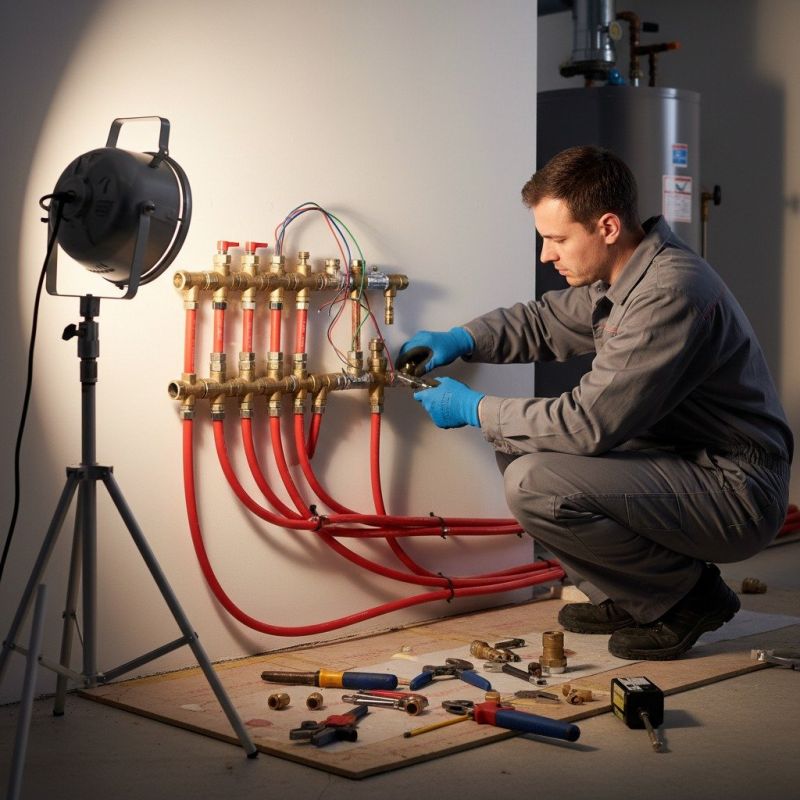
Clearly describe your heating project upfront to help compare contractors, verify experience, and set clear expectations in writing.
- Verify the contractor's experience with heating system installations and repairs. - Ensure service providers can clearly define the scope of work and provide detailed written estimates.
- Check references or reviews to assess the quality and reliability of local contractors. - Confirm that contractors have a history of completing heating projects to standard expectations.
- Discuss the types of heating systems the contractor specializes in and their familiarity with your specific needs. - Clarify the process for diagnosing issues and recommending appropriate solutions.
- Establish clear expectations for the work to be performed and the materials to be used in writing. - Make sure all project details, including scope and responsibilities, are documented before work begins.
- Compare the experience levels and service offerings of multiple local contractors to find the best match. - Look for service providers who demonstrate transparency and professionalism in their communication.
- Confirm that the contractor adheres to local codes and standards relevant to heating systems. - Ensure compliance with regulations to help prevent future issues or violations.
Use this to compare local contractors, clarify project scope, verify experience, and set clear expectations.
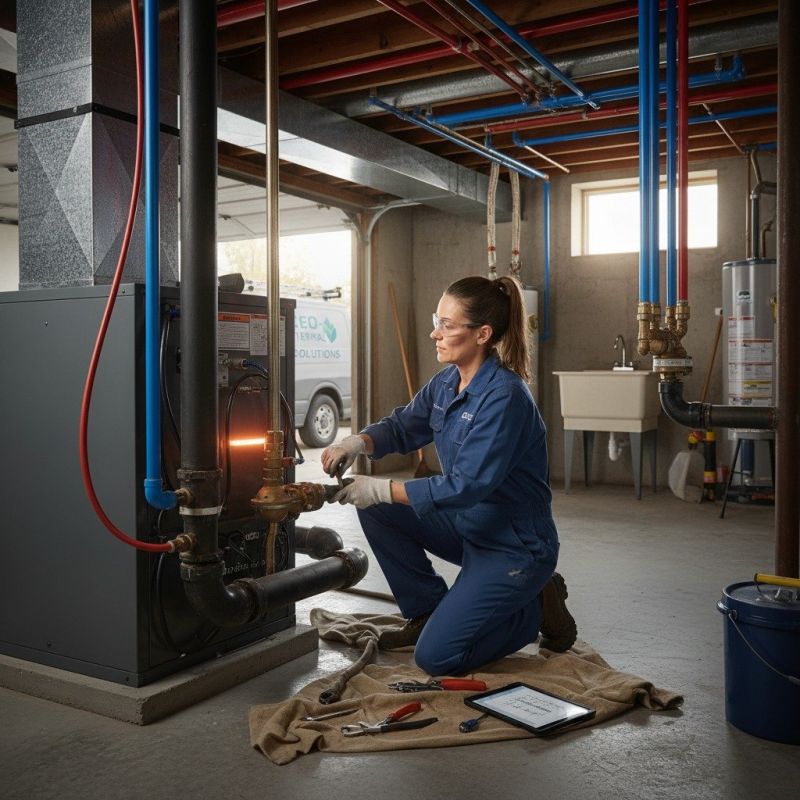
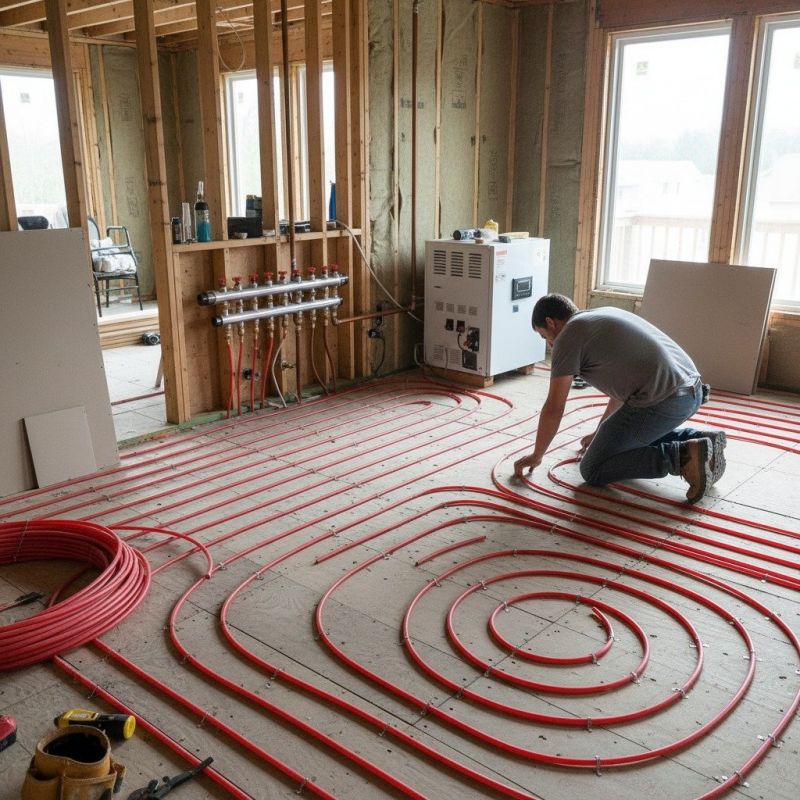

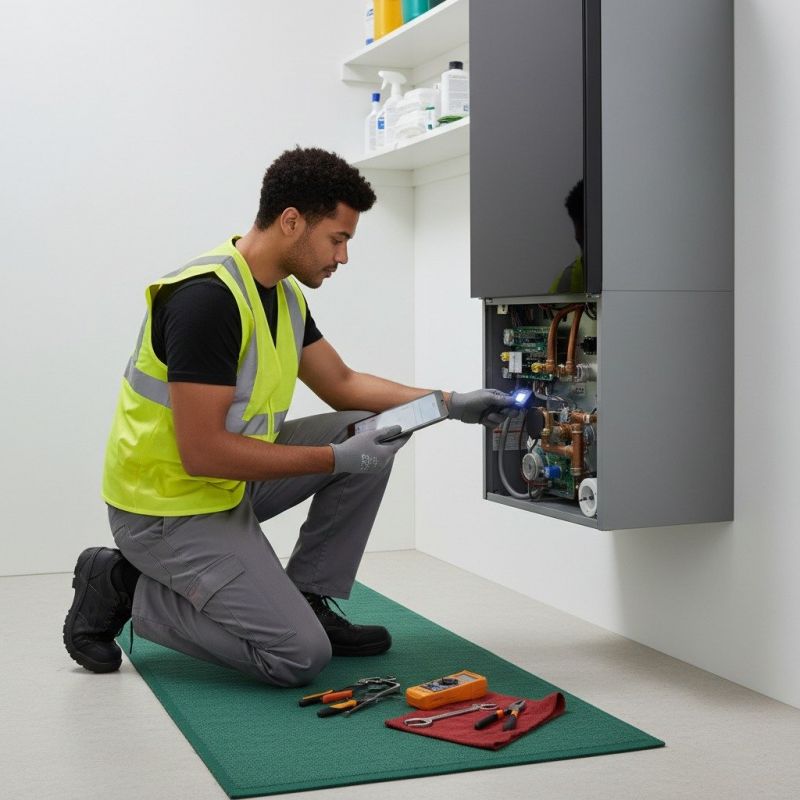
Use clear, consistent comparison criteria across local contractors to accurately define scope and verify experience.
- Define Heating System Scope - clearly specify the type and extent of heating services needed for the property.
- Verify Contractor Experience - confirm that local contractors have relevant experience with the specific heating systems involved.
- Establish Material and Equipment Requirements - determine the necessary materials, parts, and equipment for the project.
- Outline Installation or Service Procedures - describe the steps and methods that service providers should follow during installation or repair.
- Set Expectations for Warranties and Support - clarify the coverage and duration of warranties or ongoing support offered by local contractors.
When comparing contractors for heating services, it’s important to consider their experience with similar projects. Service providers who have a proven track record working on heating systems comparable to the scope of your project are more likely to understand the unique challenges involved. Inquire about their past work with systems of similar size, type, or complexity to ensure they have the relevant expertise. A contractor’s familiarity with your specific heating setup can help facilitate a smoother process and reduce the likelihood of unforeseen issues.
Having a clear, written scope of work is essential for setting expectations and avoiding misunderstandings. When evaluating contractors, look for those who provide detailed descriptions of the services they will perform, including the specific tasks, materials, and any assumptions involved. A well-defined scope helps ensure that everyone is aligned on what the project entails, making it easier to compare proposals and verify that all necessary components are included. Avoid contractors who offer vague or overly broad descriptions, as this can lead to confusion or gaps in the work.
Verifying the basics of a contractor’s background is a crucial step in the selection process. This includes confirming their experience with heating projects, checking references or reviews if available, and understanding their approach to quality and safety standards. While licensing and certification are not discussed here, gathering information about their reputation and work history can provide insight into their reliability and professionalism. Ensuring that a contractor has a solid foundation of relevant experience can help foster confidence in their ability to handle your heating needs effectively.
When evaluating options, it’s helpful to compare how each service provider approaches your project rather than focusing solely on price. Consider the clarity of their communication, the thoroughness of their written scope, and their demonstrated experience with similar systems. Asking questions about their process, requesting detailed proposals, and checking references can provide valuable information. A neutral guide can assist in identifying contractors who are transparent, knowledgeable, and capable of delivering quality work, helping homeowners make an informed decision aligned with their project goals.
Ask contractors to provide written scope details to ensure clear expectations and consistent project understanding.
- Experience and Expertise - What specific heating services have local contractors performed in similar settings?
- Scope of Work - How do contractors define and document the scope of the heating project to ensure clarity?
- Comparison Criteria - What qualifications or experience should be considered when comparing different service providers?
- Service Details - How do local contractors outline the materials, equipment, and methods included in their scope?
- Written Agreements - Are the project expectations and scope clearly detailed in written agreements before work begins?
How can I compare heating contractors effectively? To compare local contractors, review their experience, verify references, and ensure their scope of work aligns with your needs. Gathering multiple proposals helps identify differences in services offered and scope.
What should I include in the scope of work for a heating project? Clearly define the services needed, such as installation, repair, or maintenance, along with specific system details and any additional work to ensure contractors understand the project requirements.
How do I verify the experience of local heating contractors? Ask contractors about their past projects, request references, and check how long they have been operating in the area to assess their familiarity with local heating systems and standards.
Why is it important to get written estimates and agreements? Written estimates and contracts help ensure all parties agree on the scope of work, responsibilities, and expectations, reducing potential misunderstandings during the project.
What questions should I ask when discussing my heating needs with contractors? Inquire about their experience with similar systems, the process they follow, and how they handle unexpected issues to gauge their expertise and approach.
How can I ensure a contractor understands my heating project fully? Provide detailed descriptions of your heating system, desired outcomes, and any specific concerns in writing to facilitate clear communication and accurate proposals.
By understanding how to compare heating contractors, define the scope of work, verify experience, and set clear expectations in writing, visitors can make more informed decisions when choosing a service provider. Exploring multiple options allows for a better sense of the services available and helps identify the best match for specific needs. Using the quote form provides a straightforward way to connect with local contractors and gather the information necessary to evaluate options effectively.
Taking the time to assess different service providers ensures that expectations are clear and that the chosen contractor aligns with the project requirements. The quote form offers an accessible way to reach out to local contractors, enabling comparisons based on the services they offer. This approach helps facilitate a more confident selection process by providing the information needed to evaluate and choose the right heating professional.